Industries Ministry commits to reducing auto sector tariffs below 6% by 2030 but seeks lower taxes and higher import duties to support local industry
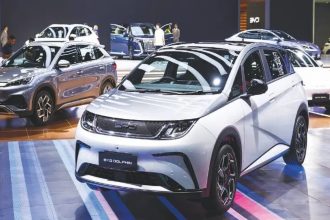
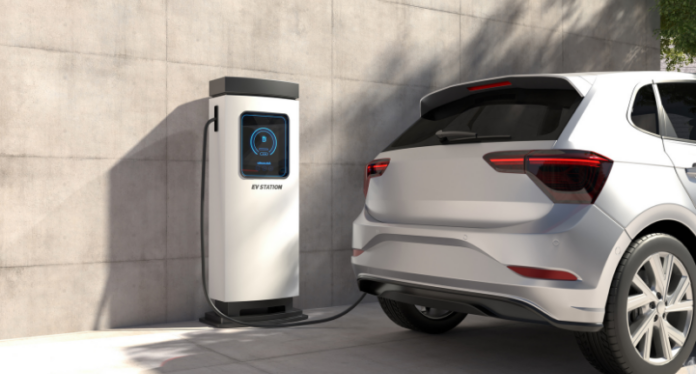
The Ministry of Industries and Production has opposed the IMF’s proposal to impose 18% General Sales Tax on electric vehicles and instead proposed a concessional 1% GST on New Energy Vehicles under the upcoming auto policy framework, The News reported.
The proposal was discussed during talks between the visiting International Monetary Fund mission and officials of the Ministry of Industries on the future direction of Pakistan’s auto sector policy.
According to officials, the government proposed a 1% GST on various categories of New Energy Vehicles, including electric cars, trucks, buses, tractors, pickups, two-wheelers, three-wheelers and light commercial vehicles.
The ministry argued that hybrid vehicles already enjoyed a reduced GST rate of 8.5%, adding that electric vehicles should also receive concessional treatment to encourage adoption.
Officials also informed the IMF that imported EV parts currently attract 1% GST, while locally manufactured parts face 18% GST, creating refund accumulation issues within the supply chain.
To address the imbalance, the government proposed applying a uniform 1% GST across the entire EV supply chain.
The ministry also opposed the National Tariff Policy’s proposed five-year tariff reduction framework, under which customs duties would gradually decline to minimum levels by 2030.
Officials maintained that Pakistan should continue imposing higher tariffs ranging between 70% and 80% on imports of new and used vehicles, similar to policies followed by countries such as India and Bangladesh.
Pakistan has already given written commitments to the IMF to implement tariff reductions under the National Tariff Policy aimed at reducing the weighted average applied tariff from 10.6% in FY25 to 7.4% by FY30.
According to the government, tariff reductions in the auto sector combined with broader National Tariff Policy reforms would reduce the weighted average tariff to below 6% by FY30.
Officials informed the IMF that the weighted average tariff in the auto sector was projected to decline to 5.99% by 2030.
The government assured the IMF that tariff reductions would continue in line with commitments under the IMF-supported economic programme.
Officials said the new auto sector policy was in advanced stages and would be shared with the IMF before being presented to the federal cabinet for approval.
The proposed framework includes gradual elimination of Additional Customs Duties and Regulatory Duties along with reductions in Customs Duty rates by FY30.